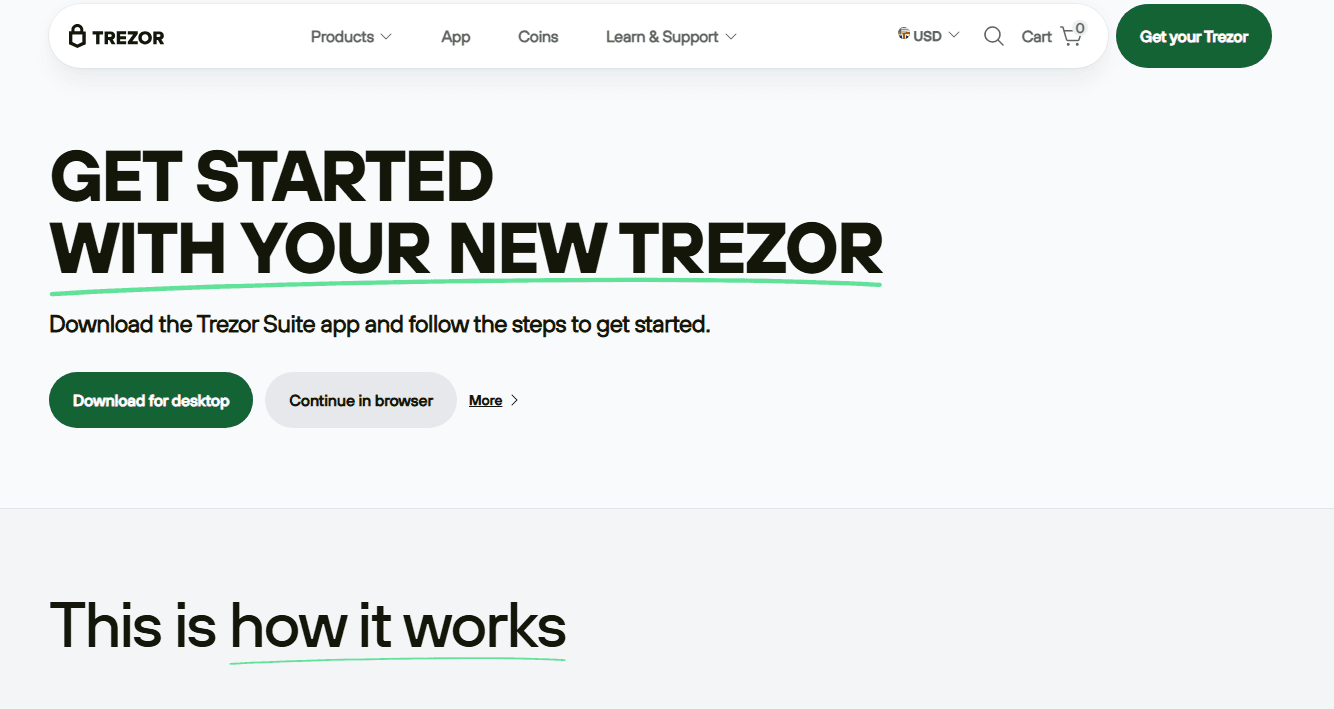
Trezor Login: Securely Access Your Crypto Wallet
Trezor is one of the most trusted hardware wallets for securing cryptocurrency. Logging into your Trezor wallet is the first step to managing your digital assets safely. While Trezor stores your private keys offline, the login process allows you to view balances, send or receive crypto, and manage multiple wallets securely. Understanding how to log in correctly ensures your funds remain protected.
What Is Trezor Login?
Trezor login is the process of unlocking your hardware wallet to access its features through Trezor Suite or compatible web interfaces. This process confirms your identity and ensures that only someone with physical access to the device and the correct credentials can manage the funds.
Logging in allows you to:
Check cryptocurrency balances
Send and receive digital assets
Access transaction history
Connect to supported decentralized applications (dApps)
How to Log In to Trezor Wallet
Step 1: Connect Your Device
Use the USB cable included with your Trezor device to connect it to your computer. Make sure the connection is stable.
Step 2: Open Trezor Suite
Launch Trezor Suite, the official management software for Trezor wallets. For security reasons, always use the official software downloaded from verified sources.
Step 3: Enter Your PIN
Your Trezor device will prompt you for the PIN you set during wallet setup. Entering the correct PIN unlocks the device.
Step 4: Optional Passphrase
For extra security, you can enable a passphrase. This creates a hidden wallet that appears only when the passphrase is entered. It’s especially useful for users holding large amounts of cryptocurrency.
Step 5: Access Your Wallet
Once logged in, you can view balances, initiate transactions, manage accounts, and interact with supported dApps safely.
Security Tips for Trezor Login
To ensure your Trezor wallet remains secure during login:
Use Only Official Software: Avoid third-party apps or unverified websites.
Keep Your PIN Private: Never share your PIN or passphrase.
Update Firmware Regularly: Ensure your device runs the latest version to stay protected.
Verify Recovery Seed Storage: Keep your backup seed offline and secure.
Use Trusted Devices: Avoid logging in on public or shared computers.
Following these precautions minimizes the risk of theft or unauthorized access.
Common Trezor Login Issues
Even with proper precautions, users may encounter login challenges. Here are some common problems and solutions:
Device Not Detected: Check the USB cable and port, or try reconnecting the device.
Incorrect PIN: Carefully enter your PIN; too many failed attempts can lock the device temporarily.
Firmware Updates Required: Update your device if prompted by Trezor Suite.
Browser Compatibility Issues: Some browsers may not support Trezor properly; use Trezor Suite for the most reliable experience.
Following these steps typically resolves most login issues.
Why Trezor Login Matters
The login process is a crucial security step because Trezor stores the private keys that control your cryptocurrency. Unlike online wallets, Trezor gives you full ownership, so a secure login protects your assets from theft or accidental exposure.
Proper login procedures provide:
Full control over funds
Secure access to multiple cryptocurrency accounts
Safe interaction with decentralized applications
Tips for a Smooth Login Experience
Keep your Trezor device charged
Use a trusted and secure computer
Enable passphrase protection for added security
Familiarize yourself with Trezor Suite’s interface to reduce errors
These tips help ensure that logging in is quick, safe, and reliable.
Conclusion
Logging in to your Trezor wallet is a simple yet critical step to keeping your cryptocurrency secure. By connecting your device, entering your PIN, and optionally using a passphrase, you gain full access to your wallet while protecting your assets. Following best practices, using official software, and maintaining your recovery seed safely ensures a secure and smooth experience every time you access your Trezor wallet.